
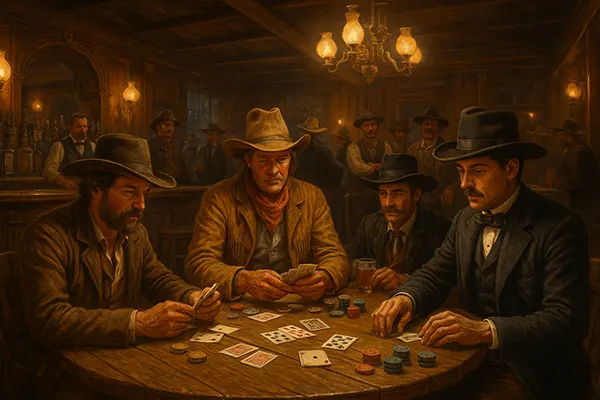
The transformation of frontier saloons into early gambling hubs in the American West reflects a turbulent era shaped by migration, conflict, and the search for profit. These establishments emerged as social centres where travellers, miners, ranchers, and gunslingers gathered, turning casual games of chance into structured activities managed by skilled dealers. By the late nineteenth century, certain towns had become recognised for their lively tables, high-stakes confrontations, and the dangerous atmosphere that formed the foundation of organised gambling in the United States.
The Rise of Gambling in Frontier Settlements
During the mid-1800s, thousands of people travelled westward in search of gold, land, and new opportunities. As temporary settlements grew into towns, saloons provided essential services including drinks, accommodation, and games. These venues quickly attracted those seeking entertainment after long days of labour, leading to the introduction of card tables and the earliest house-managed games. Unlike informal play in mining camps, saloons offered more structured conditions, introducing roles such as the dealer and the lookout.
In regions such as Nevada, Colorado, and Kansas, gambling became not just a pastime but a significant source of income for saloon owners. Professional gamblers, often referred to as “sporting men”, travelled from town to town to host games or challenge locals. Their presence introduced rules, betting structures, and tactics that elevated simple games into organised gambling activities. This evolution shaped the reputation of frontier towns as places where chance and danger coexisted.
Competition between saloons also contributed to the growth of regulated games. Owners invested in larger premises, higher-quality tables, and security to attract wealthier players. Although regulation was minimal, certain towns began enforcing basic rules to prevent fraud and violence. These early attempts at oversight became precursors to later gambling legislation in more established states.
The Emergence of Skilled Dealers
The professional dealer became a defining figure of the Wild West gambling scene. Unlike casual players, dealers were trained to manage the pace of the game, settle disputes, and maintain impartiality. Many were former travellers or veterans who developed quick reflexes and an understanding of card psychology. Their control of the table helped mitigate conflicts, though the volatile environment still led to heated confrontations.
Famous dealers, including individuals such as Bat Masterson and Luke Short, became well-known for their ability to prevent cheating and maintain order. Their reputations attracted visitors who considered the presence of a skilled dealer a sign of reliability. Some dealers even carried weapons as a precaution, particularly in towns where disputes frequently escalated into gunfights.
The role of the dealer extended beyond the table. They often advised saloon owners on security, layout, and game selection. Their expertise helped create predictable conditions that encouraged higher bets and more consistent revenue. By the end of the nineteenth century, the trained dealer had become fundamental to any successful gambling room.
The Culture of Conflict and High-Risk Tables
Violence was a constant companion to frontier gambling, particularly at high-stakes tables where cheating or accusations could ignite conflict. Many towns became notorious for confrontations, with some tables earning the grim nickname “death tables”. These were locations where disputes had repeatedly escalated into shootings, often due to accusations of card manipulation or delayed payouts. Such incidents became part of Western folklore and contributed to the dramatic reputation of saloons.
Weapons were commonly visible, and players often entered saloons prepared for confrontation. Dealers attempted to maintain order by establishing table rules, yet unpredictable personalities and alcohol made enforcement difficult. Personal grudges between cowboys, ranchers, or travellers occasionally erupted during games, turning the saloon into a battleground. These conflicts were reported in local newspapers, reinforcing the image of the West as a place of constant tension.
Despite the dangers, high-risk tables attracted crowds hoping to witness dramatic moments or participate in large bets. Observers gathered around popular games such as faro, poker, and blackjack, creating a lively but tense atmosphere. The combination of risk, strategy, and danger helped solidify gambling as a defining feature of frontier culture.
“Death Tables” as a Cultural Phenomenon
The term “death table” became associated with particular locations where repeated violent incidents had occurred. These tables were typically situated in saloons with minimal oversight, where players of questionable reputation gathered. Some towns attempted to ban these high-risk games, but enforcement was inconsistent due to corruption or fear of retaliation from influential gamblers.
Stories of these tables circulated among travellers, contributing to both caution and curiosity. Some players sought out the tables deliberately, viewing participation as a test of bravery. Others avoided them entirely, preferring environments with stronger rules or reputable dealers. This divide shaped the social dynamics of gambling communities across the West.
The notoriety of these tables eventually prompted more towns to introduce local ordinances aimed at controlling violence. While these measures did not eliminate conflict, they demonstrated early attempts at managing the risks associated with gambling. These initiatives later influenced state-level efforts to regulate gaming and establish safer environments.
The Transformation into Entertainment Venues
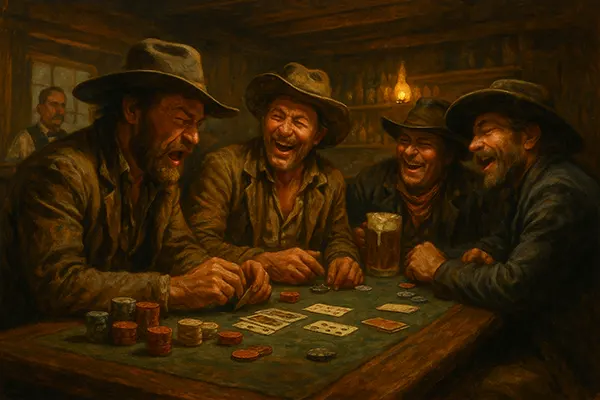
By the late nineteenth century, the character of gambling in the West began to shift as towns grew and the economy stabilised. Saloons that once operated informally expanded into structured entertainment venues featuring multiple games, dedicated rooms, and appointed security. This transition was driven by a desire to attract wealthier visitors, reduce violence, and create predictable revenue streams for local businesses.
The introduction of law enforcement and municipal regulations encouraged saloon owners to operate more responsibly. Some towns required licences for gambling tables, while others established curfews or limitations on stakes. These measures promoted a more controlled environment and gradually replaced improvised gaming with a system closer to modern standards.
As communities became more settled, the social stigma surrounding gambling decreased in certain regions. Travellers and locals alike began to view saloon gaming as part of the area’s culture rather than a dangerous activity. This shift allowed the early gambling establishments of the West to influence the development of later entertainment venues across the United States.
Lasting Legacy of Frontier Gambling
The legacy of frontier saloons continues to influence gaming culture in the United States. Many terms, strategies, and table practices used today can be traced back to the nineteenth-century West. The presence of professional dealers, game rules, and betting structures all emerged from these early environments.
Frontier gambling also contributed to the social heritage of the West, shaping regional identities and community traditions. Historical towns such as Deadwood, Tombstone, and Dodge City still preserve their gaming history through museums and heritage sites. These locations serve as reminders of the era when saloons represented both opportunity and danger.
The transition from improvised saloon tables to regulated entertainment venues reflects broader changes in American society. It highlights how risk, commerce, and cultural identity intertwined to create an early form of organised gambling. This legacy continues to shape perceptions of the West and its contribution to national history.